Luxury Real Estate in Malaysia: Opportunities and Returns
When discussing luxury real estate in Southeast Asia, attention naturally turns to Singapore or Hong Kong, where property prices reach dizzying heights. Yet, just a few hours away by plane, Malaysia offers an overlooked and particularly attractive alternative for affluent investors seeking quality, returns, and international portfolio diversification.
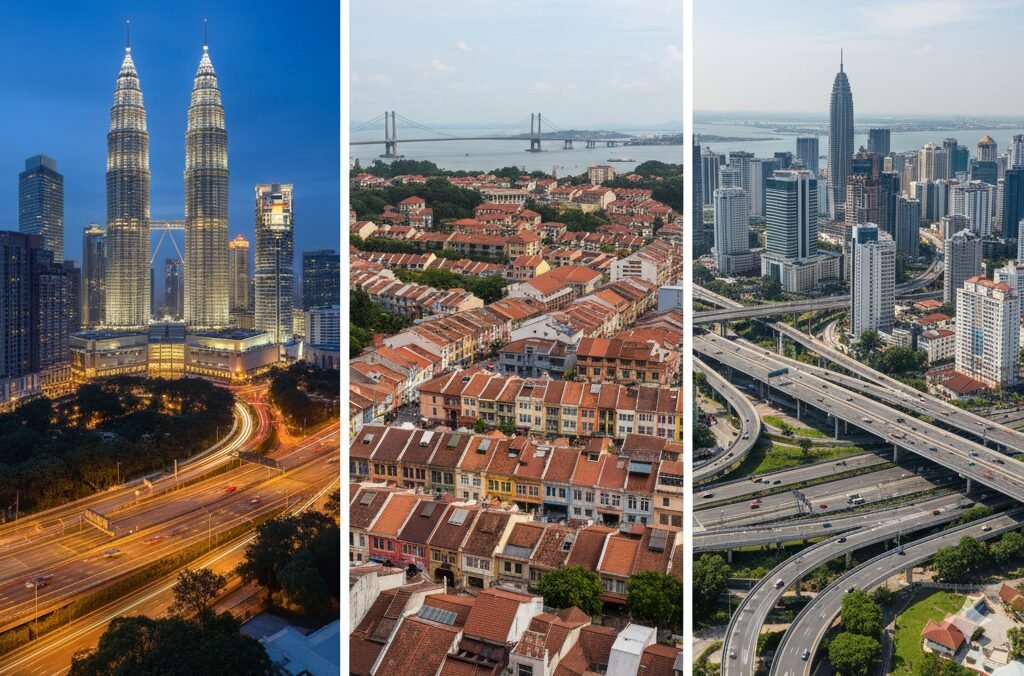
Malaysia’s high-end property market presents a unique positioning: world-class amenities and services comparable to major international metropolises, at prices that remain 40 to 60% lower than its regional neighbors. Condominiums with views of the iconic Petronas Towers, ultra-modern penthouses in the business district, private pool villas facing the Andaman Sea in Langkawi, or beautifully restored heritage shophouses in Penang – the range of opportunities is as diverse as it is compelling.
However, investing in Malaysia’s luxury segment requires careful planning. While the market offers genuine opportunities, it also presents specific characteristics, challenges, and risks that must be thoroughly understood. Rental yields, capital appreciation potential, location selection, property type choices, remote management – all these parameters need rigorous analysis before taking the plunge.
In this comprehensive guide, we provide an in-depth analysis of Malaysia’s luxury real estate segment, based on current market data, concrete examples, and our on-ground experience. You’ll discover the best investment locations, realistic returns you can expect, pitfalls to avoid, and winning strategies to transform your Malaysian luxury real estate project into a sustainable and profitable investment.
What Defines Luxury Real Estate in Malaysia? Definition and Criteria
Before diving into opportunities and returns, it’s essential to precisely define what constitutes “luxury real estate” in the Malaysian context. Contrary to common belief, luxury isn’t solely about a high entry price – it’s primarily a combination of tangible and intangible criteria that position a property in the premium market segment.
Objective Criteria of Malaysian Luxury Real Estate
In Malaysia, a property is generally considered “luxury” when it meets several of the following characteristics:
Price per square foot and entry ticket: In Kuala Lumpur’s most sought-after areas (KLCC, Mont Kiara), luxury generally starts from RM 1 million (approximately USD 220,000 / €200,000) for a condominium, with prices per square foot ranging between RM 850 and RM 1,200/sq ft (USD 185-260/sq ft). For comparison, mid-range properties fall between RM 400,000 and RM 700,000.
Premium location: Luxury real estate concentrates in strategic geographical areas offering prestige, connectivity, and exceptional quality of life: Kuala Lumpur’s Golden Triangle (KLCC, Bukit Bintang), elite residential enclaves (Mont Kiara, Damansara Heights, Bangsar), prime waterfronts (Gurney Drive in Penang, Langkawi), or landmark projects like Forest City in Johor.
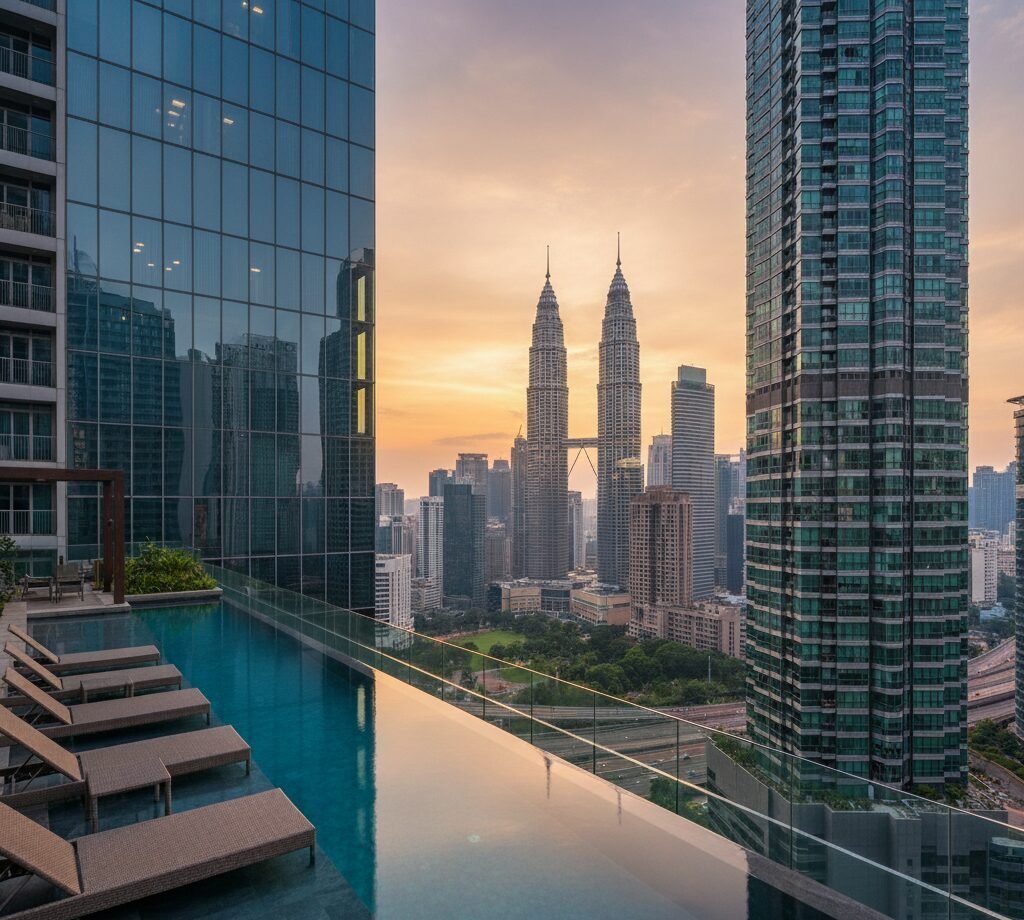
High-end amenities and services: Luxury residences distinguish themselves through infrastructure and services worthy of the finest international hotels: infinity pools with panoramic views, private spas and hammams, fully-equipped gyms with personal trainers, private function rooms, premium co-working spaces, 24/7 concierge services, valet parking, multi-layer security with facial recognition, and sometimes even helipads for ultra-premium projects.
Architectural quality and finishes: Noble materials (Italian marble, precious woods, luxury fittings by Hansgrohe or Grohe), integrated home automation, floor-to-ceiling panoramic glazing, equipped kitchens with high-end appliances (Miele, Gaggenau), generous ceiling heights (minimum 3 meters), and designs by internationally renowned architects.
Size and configuration: Luxury apartments typically offer spacious layouts (from 150 sqm for a 3-bedroom), with intelligent layouts favoring open, bright living spaces. Penthouses can reach 400 to 600 sqm with private terraces and personal pools.
Types of Luxury Properties in Malaysia
Malaysia’s high-end market encompasses several property categories, each meeting specific needs and investor profiles:
Luxury condominiums: The most common form of urban luxury residential in Malaysia. These ultra-modern residential towers offer secure living environments with integrated services and shared premium amenities. Iconic examples: The Troika (KLCC), Four Seasons Place, Pavilion Mont’Kiara, and Seni Mont Kiara.
Penthouses: Located on the top floors of prestigious towers, these exceptional properties offer the most spectacular views of Kuala Lumpur’s skyline or ocean. With entry tickets often exceeding RM 3 to 5 million (USD 660,000 to 1.1 million), they represent the pinnacle of Malaysian luxury residential living.
Pool villas: Concentrated on paradise islands (Langkawi, Pangkor) or exclusive residential zones (Damansara Heights, parts of Mont Kiara), these properties offer more intimate luxury with private gardens, personal pools, and contemporary or tropical architecture. Prices range between RM 2 and 10 million depending on location.
Restored heritage shophouses: In Penang (George Town) or Malacca, these tastefully renovated historic buildings combine colonial charm, authentic character, and modern comfort. Highly sought after by affluent clientele seeking authenticity, they also offer commercial opportunities (ground floor shop/restaurant, residential upper floors).
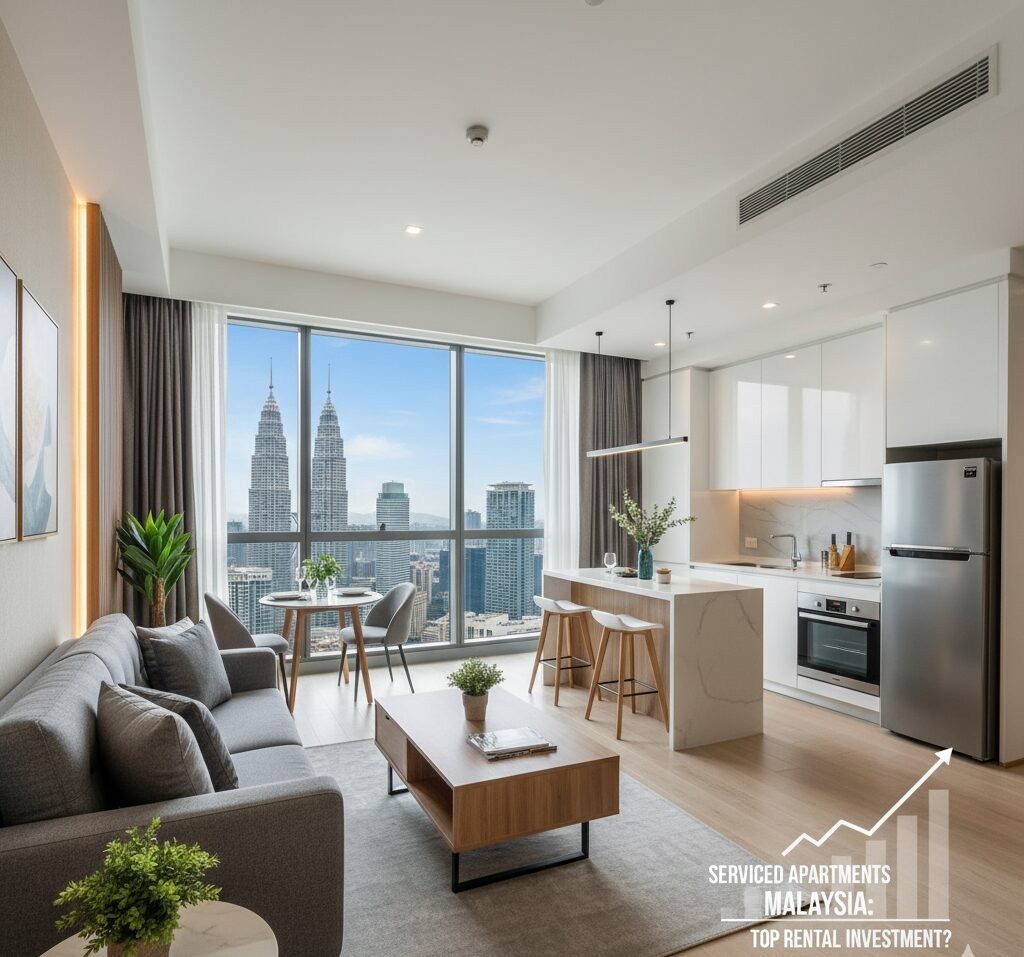
High-end serviced apartments: Hybrids between hotel residences and upscale apartments, these properties include comprehensive services (daily housekeeping, room service, laundry) and attract corporate and international clientele. Generally higher rental yields (5-7%), but also higher maintenance charges and more complex management.
Minimum Purchase Threshold for Foreigners: An Opportunity in Luxury
In Malaysia, foreign investors are subject to minimum purchase thresholds that vary by state. This threshold typically ranges between RM 600,000 and RM 1 million (USD 130,000 to 220,000), or higher in ultra-prime zones. This regulation naturally directs international investors toward the mid to high-end and luxury segments.
Strategic advantage: This regulatory constraint paradoxically creates an opportunity. It filters the market and concentrates foreign demand on quality properties, supporting prices and liquidity in the premium segment. For investors with the necessary capital, this represents relative protection against less affluent buyer competition and a certain neighborhood standing guarantee.
Strategic Geographic Zones for Luxury Investment
Luxury real estate in Malaysia isn’t uniformly distributed across the territory. Certain zones concentrate most high-end offerings, benefiting from sustained demand, quality infrastructure, and prestigious positioning. Here’s an overview of must-know destinations for luxury real estate investment in Malaysia.
Kuala Lumpur: The Urban Luxury Epicenter
Malaysia’s capital unsurprisingly concentrates most of the country’s high-end property projects. Four neighborhoods stand out particularly:
KLCC (Kuala Lumpur City Centre): Kuala Lumpur’s business and financial district, dominated by the iconic Petronas Towers, represents the pinnacle of Malaysian urban luxury. Ultra-modern condominiums offer spectacular skyline views and direct access to premium shopping centers (Suria KLCC, Pavilion KL), green spaces (KLCC Park), and cultural institutions.
Indicative KLCC prices: RM 1,000 to 1,500/sq ft (USD 220-330/sq ft) | Rental yield: 3-4% net | Tenant profile: International senior executives, business leaders, affluent expat families
Mont Kiara: Nicknamed the “expat quarter,” Mont Kiara has become over decades the preferred residential enclave for Kuala Lumpur’s international community. Located 10-15 minutes from downtown, this neighborhood offers a cosmopolitan environment with renowned international schools (Garden International School, Mont’Kiara International School), Western restaurants, trendy cafés, and shopping centers adapted to expat needs.
Mont Kiara’s property market is mature and currently experiencing a stabilization phase after years of heavy construction. Some landmark projects like Seni Mont Kiara, 10 Mont’Kiara, or 11 Mont’Kiara maintain excellent performance thanks to their construction quality, impeccable management, and preserved views of KLCC or the verdant Bukit Kiara hill.
Indicative Mont Kiara prices: RM 850 to 1,200/sq ft (USD 185-260/sq ft) | Rental yield: 4-6% net | Tenant profile: Expat families with children, international professionals, affluent local executives
Bangsar: Both bohemian and chic, Bangsar attracts affluent local and international clientele seeking authenticity and neighborhood life. Its streets lined with independent cafés, art galleries, fusion restaurants, and creative boutiques make it a prime living area for creative professionals, entrepreneurs, and wealthy families.
Indicative Bangsar prices: RM 800 to 1,100/sq ft | Rental yield: 4-5% net | Tenant profile: Affluent young professionals, couples without children, creatives
Damansara Heights: One of Kuala Lumpur’s most exclusive neighborhoods, Damansara Heights is characterized by luxury villas, low-rise condominiums, and preserved residential environment. Highly prized by local elite and diplomats, this area offers calm, greenery, and prestige.
Indicative prices: RM 900 to 1,300/sq ft for condominiums | RM 5 to 15 million for villas | Rental yield: 3-4% (priority on long-term capital appreciation)
Penang: Heritage and Waterfront Luxury
Nicknamed the “Pearl of the Orient,” Penang island offers an attractive alternative to Kuala Lumpur’s purely urban luxury. Its historic center, George Town, classified as a UNESCO World Heritage Site, attracts affluent clientele seeking authenticity and colonial charm.
George Town: Penang’s historic heart contains beautifully restored shophouses, blending Sino-Malay architecture, artistic murals, and contemporary comfort. These heritage properties offer unique character and constitute passion investments as much as return-focused ones.
Gurney Drive: Penang’s most prestigious waterfront, Gurney Drive concentrates luxury residential towers with stunning views of the Malacca Strait, in immediate proximity to high-end shopping centers (Gurney Plaza, Gurney Paragon) and gourmet restaurants.
Tanjung Bungah and Batu Ferringhi: These coastal zones offer seafront villas and condominiums in a more residential and peaceful environment. Particularly popular with affluent retirees and MM2H program holders.
Indicative Penang prices: RM 600 to 900/sq ft on waterfront | George Town shophouses: RM 1.5 to 5 million depending on condition and location | Rental yield: 3-5%
Langkawi: Island Luxury and Resort Living
A paradise island in northwestern Malaysia, Langkawi attracts investors seeking high-end resort villas in a preserved tropical environment. Langkawi’s duty-free island status also makes it an attractive shopping destination for affluent tourists.
Langkawi’s luxury property market focuses on private pool villas, often integrated within secure complexes with hotel services (The Datai, Four Seasons). These properties primarily attract investors seeking secondary residences or properties for high-end seasonal rentals.
Indicative prices: Luxury villas: RM 2 to 8 million | Rental yield: Variable depending on management (3-6% with optimized seasonal rental) | Client profile: Secondary residences, high-end vacation rentals
Johor Bahru: Border Luxury with Singapore
Located on Singapore’s border, Johor Bahru benefits from immediate proximity to Asia’s most expensive city-state. This strategic position has spawned ambitious mega real estate projects, the most emblematic being Forest City.
Forest City: A pharaonic new city project on artificial islands, Forest City aims to create an international residential and business hub. Despite difficult beginnings and controversies, the project is gradually attracting buyers drawn by attractive prices for quality amenities in an ultra-modern environment.
Iskandar Puteri and Desaru Coast: Other Johor areas are developing with high-end property projects, notably Desaru Coast which aims to become a premium beach destination for Singaporean clientele.
Strategic advantage: Proximity to Singapore (30-45 minutes), attractive quality-price ratio | Risk: Economic dependence on Singapore, some projects struggling
Luxury Zones Comparison Table
| Zone | Average Price (RM/sq ft) | Luxury Entry Ticket | Rental Yield | Investor Profile |
|---|---|---|---|---|
| KLCC | 1,000 – 1,500 | RM 1.5 – 3M | 3-4% | Prestige, LT appreciation |
| Mont Kiara | 850 – 1,200 | RM 1 – 2M | 4-6% | Quality/yield balance |
| Bangsar | 800 – 1,100 | RM 900K – 1.8M | 4-5% | Lifestyle, young pros |
| Penang (waterfront) | 600 – 900 | RM 800K – 1.5M | 3-5% | Retirement, MM2H |
| Langkawi (villas) | – | RM 2 – 8M | 3-6% | Secondary residence |
| Johor (Forest City) | 500 – 800 | RM 600K – 1.5M | Variable | Opportunistic, LT |
Opportunities in Malaysia’s Luxury Property Market
Malaysia’s luxury real estate market presents several structural advantages that make it an attractive destination for affluent international investors. Let’s examine these opportunities in detail.
Exceptional Value-for-Money Compared to Regional Metropolises
The most frequently cited argument for justifying luxury real estate investment in Malaysia remains its unmatched price positioning against direct neighbors.
For an equivalent property in terms of amenities, location, and facilities, an investor generally pays:
- 40 to 60% less than Singapore: A 200 sqm penthouse with skyline views in KLCC costs approximately USD 330,000 to 550,000, when a similar property in Singapore (Marina Bay, Orchard Road) easily exceeds USD 880,000 to 1.3 million.
- 30 to 50% less than Hong Kong: Hong Kong’s extreme density and land scarcity create prohibitive prices (USD 3,300 to 5,500/sq ft in premium areas), where Kuala Lumpur offers comparable amenities for USD 180 to 240/sq ft.
- Competitive against Bangkok: While Bangkok also offers attractive prices, Kuala Lumpur provides a greener, less polluted urban environment and superior quality of life for families (better international schools, world-class private healthcare infrastructure).
Concretely, this means an investor with a budget of USD 440,000 to 660,000 can acquire an exceptional quality property in Malaysia, where this same budget would only access a mid-range property in Singapore or Hong Kong.
Structural Demand Driven by Expats and MM2H Program
Malaysia’s luxury rental market benefits from stable and solvent demand, fed by several segments:
Corporate expatriates: Malaysia hosts regional headquarters of numerous multinationals (oil and gas, finance, technology, consulting). These companies relocate senior executives and managers seeking quality furnished housing in international neighborhoods. These tenants are typically covered by their employer (generous housing allowance) and constitute stable clientele, price-insensitive.
MM2H (Malaysia My Second Home) program holders: This long-term residency program attracts affluent retirees, wealthy digital nomads, and families seeking superior quality of life. While MM2H conditions were tightened in 2021, the program remains attractive and generates demand for quality properties, particularly in Penang, Mont Kiara, and coastal zones.
Regional investors and entrepreneurs: Malaysia also attracts affluent investors from Asia (China, Singapore, Indonesia, Middle East) who acquire luxury properties either as secondary residences or as portfolio diversification assets in a stable legal environment respecting private property.
Stable and Protective Legal Framework for Foreign Investors
Unlike some Southeast Asian countries where foreign property rights are limited or precarious, Malaysia offers a mature and protective legal environment, inherited from the British system.
Foreign investors can acquire freehold (perpetual full ownership) or leasehold (99-year renewable lease) properties, with clearly defined and enforceable rights. Transactions are framed by rigorous procedures (mandatory solicitor involvement, Sale and Purchase Agreement signing, Land Office registration), guaranteeing legal security.
Additionally, Malaysia imposes no restrictions on capital repatriation for foreign investors, allowing free fund circulation (rents, resale proceeds).
High-Potential Niche Segments: Serviced Apartments and Dual-Key Units
Beyond traditional condominiums, two property types are experiencing growing interest in the luxury segment:
High-end serviced apartments: Hybrids between hotel and residence, these properties offer comprehensive hotel services (daily housekeeping, room service, concierge) and attract long-term corporate clientele. Rental yields are generally higher (5-7%), but charges are also higher and management more complex.
Dual-key condominiums: These innovative units offer two independent living spaces within one property (for example: a 2-bedroom + separate studio), allowing either extended family accommodation, partial rental while occupying the other, or rental yield maximization by separately renting both units. This configuration particularly attracts investors seeking to optimize profitability.
Consolidating Market: Secondary Market Opportunities
Kuala Lumpur’s luxury market, particularly Mont Kiara, is currently experiencing a consolidation phase after several years of intensive construction. This situation creates interesting secondary market opportunities:
- Some owners, facing increased competition from new projects, accept 10-15% discounts from launch prices.
- Well-maintained 5-10 year old properties trade at attractive prices while offering superior construction and management quality to new projects (seemingly cheaper but sometimes less well built).
- Well-managed landmark projects (Seni Mont Kiara, 10 Mont’Kiara, The Troika) maintain their value and continue attracting premium tenants through established reputation.
Strategic opportunity: For savvy investors, the current market offers a favorable entry point, with stabilized prices, motivated sellers, and rental demand remaining solid for well-located quality properties.
Returns and Profitability: What Can You Realistically Expect?
The central question for any property investor remains profitability. What rental yields can you expect on luxury property in Malaysia? What medium-to-long-term capital appreciation? And how do these performances compare to the standard market segment? Factual answers without filter.
Rental Yields: Between 3% and 6% Net Depending on Zones and Types
The first finding, often counter-intuitive for novice investors, is that rental yield in luxury is generally lower than the mid-range segment. This is a classic phenomenon: the more expensive a property, the more the rent/purchase price ratio compresses.
Observed net yield ranges (after charges and taxation):
- KLCC: 3-4% net – Prestige and capital appreciation potential take priority over rental yield. A RM 3 million penthouse generates RM 8,000 to 10,000 monthly rent.
- Mont Kiara: 4-6% net – Best balance between quality, rental demand, and yield. A RM 1.5 million condominium generates RM 6,000 to 8,000 monthly.
- Bangsar: 4-5% net – Stable demand from affluent young professionals, moderate tenant turnover.
- Penang waterfront: 3-5% net – More seasonal market, dependent on retirees and tourism.
- High-end serviced apartments: 5-7% gross (4-5% net after higher charges) – Superior yield but heavier management.
For comparison, the mid-range segment (RM 500,000 to 800,000) generally offers 5-8% net rental yields, as rents are proportionally higher relative to purchase price.
Strategic implication: Investing in luxury isn’t justified solely by rental yield, but by a mix of factors: asset quality, rental demand stability (solvent tenants less sensitive to crises), capital appreciation potential, and diversification into quality tangible assets.
Concrete Example #1: 3-Bedroom Condominium in Mont Kiara
Project: Seni Mont Kiara, 2,400 sq ft (223 sqm) unit, high floor with KLCC view
Purchase price: RM 2.1 million (USD 462,000 / €420,000)
Monthly rent: RM 9,000 (USD 1,980), or RM 108,000 annually
Annual charges:
- Maintenance fees: RM 0.45/sq ft/month × 2,400 × 12 = RM 12,960
- Sinking fund: RM 0.10/sq ft/month × 2,400 × 12 = RM 2,880
- Quit rent + Assessment: RM 500
- Owner’s insurance: RM 800
- Rental management (if agency): 10% of rent = RM 10,800
- Total charges: RM 27,940
Net income: RM 108,000 – 27,940 = RM 80,060 (USD 17,613)
Net yield: 80,060 / 2,100,000 = 3.81%
Taxation: For non-residents, 28% tax on rental income, or RM 22,417 tax, bringing net after-tax yield to 2.74%
Analysis: Net after-tax yield may seem modest. However, this property benefits from very stable rental demand (>95% occupancy rate), solvent tenants (long-term posted expats), and capital appreciation potential on a well-managed landmark project.
Concrete Example #2: Penthouse in KLCC with Petronas View
Project: The Troika, 4-bedroom penthouse of 4,500 sq ft (418 sqm)
Purchase price: RM 6.5 million (USD 1.43M / €1.3M)
Monthly rent: RM 20,000 (USD 4,400), or RM 240,000 annually
Annual charges: Approximately RM 55,000 (higher maintenance for ultra-premium property)
Net income before tax: RM 185,000
Net yield: 2.85% (before tax), 2.05% after tax
Analysis: Rental yield is low, but this asset type primarily targets capital preservation, prestige, and long-term appreciation. It attracts ultra-high-net-worth investors who prioritize absolute quality and exclusivity.
Concrete Example #3: Pool Villa in Langkawi
Type: 4-bedroom villa, 400 sqm, private pool, sea view
Purchase price: RM 4 million (USD 880,000 / €800,000)
Strategy: High-end seasonal rental via Airbnb Luxe or Villas.com
Income: 150-200 nights per year at RM 800-1,500/night = RM 120,000 to 300,000 depending on optimization
Charges: Management, pool maintenance, electricity, taxes = RM 60,000 to 80,000
Net yield: Variable, between 1.5% and 5.5% depending on management
Analysis: This investment type is riskier and more time-consuming. Profitability heavily depends on management quality, marketing, and tourism seasonality. Often these properties are acquired for mixed personal use (a few weeks per year) + rental the rest of the time.
Capital Appreciation Potential: 2-3% Annual Average, with Strong Disparities
Malaysia’s luxury property market, particularly in Kuala Lumpur, is currently experiencing a stabilization phase or slight correction after years of strong growth (2010-2018). Recent data indicates:
- 2019-2022: Sluggish market, stable or even declining prices by 5-10% on certain less well-positioned projects.
- 2022-2025: Gradual recovery, with moderate appreciation of 2-3% per year on quality properties in premium zones.
- 2025-2030 projections: Expected growth of 3-4% annually, supported by post-COVID economic recovery, infrastructure investments (new MRT lines), and regional demand.
Factors favoring capital appreciation:
- Exceptional location (breathtaking views, transport proximity, continuously improving neighborhoods)
- Property’s intrinsic quality (freehold > leasehold, premium finishes, impeccable management)
- Supply scarcity in certain segments (penthouses with views, heritage shophouses)
- Infrastructure development (MRT3, highways, shopping centers)
Necessary realism: Malaysia isn’t a highly volatile speculative market. Investors seeking quick gains (+10-20% in 2-3 years) will likely be disappointed. However, those targeting stable appreciation, geographic diversification, and quality tangible assets will find solid value proposition in Malaysian luxury.
Yield vs. Quality Trade-off: Luxury or Standard?
Faced with more modest rental yields, why invest in luxury rather than standard segment?
Arguments favoring luxury:
- Tenant quality: Solvent profiles, longer rental duration, lower risks of default or damage.
- Demand stability: Less sensitive to economic cycles (corporate expats are less affected by crises).
- Superior liquidity: Upon resale, quality properties more easily find buyers among international purchasers.
- Prestige and network: Residing or investing in iconic project opens social and professional doors.
- Personal use: Possibility to use property for oneself or family during stays.
Arguments favoring standard:
- Superior rental yield: 5-8% net vs 3-5% in luxury.
- More accessible entry ticket: Portfolio diversification with multiple properties rather than single luxury property.
- Broader rental demand: Larger pool of potential tenants.
Decision depends on investor profile: An investor primarily seeking cash-flow yield will favor standard. A wealthy investor targeting capital preservation, quality, and portfolio diversification will lean toward luxury.
Specific Challenges and Risks in the Luxury Market
Investing in luxury real estate in Malaysia isn’t risk-free. A clear-eyed analysis of potential pitfalls is essential for building a solid investment strategy and avoiding disappointment.
Oversupply in Certain Zones: The Mont Kiara Case
Mont Kiara’s market perfectly illustrates the risk of structural oversupply. After two decades of frenzied development, the neighborhood now counts over 50 condominium projects, totaling tens of thousands of units. This abundant supply creates fierce competition among owners, with several consequences:
- Downward pressure on rents: Tenants have choice and can negotiate reductions or benefits (furniture included, free parking, 1 month free).
- Higher vacancy rates: Some less well-positioned or poorly managed projects struggle to achieve satisfactory occupancy rates.
- Price stagnation: Properties in less premium projects see prices stagnate or even slightly decline.
Mitigation strategy: In an oversupplied market, differentiation is crucial. Prioritize landmark projects with impeccable management (Seni, 10 Mont’Kiara, Pavilion Mont’Kiara), units with unique assets (breathtaking views, high floor, optimized layout), and be ready to accept slightly lower yield to secure quality.
High Maintenance Fees: A Significant Budget Item
Luxury condominiums in Malaysia offer exceptional amenities and services, but this comes at a cost. Maintenance fees (condominium charges) can represent a significant budget portion:
- Typical range: RM 0.40 to 0.70 per sq ft per month.
- For a 2,000 sq ft apartment: RM 800 to 1,400 monthly, or RM 9,600 to 16,800 annually (USD 2,110 to 3,700).
- Additional costs: Sinking fund (reserve fund for major works), quit rent and assessment (property taxes), insurance.
These high charges are justified by service quality (24/7 security, pool and common area maintenance, dedicated staff), but they significantly erode net profitability, especially if the property remains vacant for several months.
Practical advice: Before any purchase, request charge history for the past 3 years and condominium accounts. Abnormally low charges may hide under-maintenance that will prove costly medium-term. Conversely, excessive charges relative to actual standing should alert to inefficient management.
Dependence on Expat Demand: A Volatility Risk
Malaysia’s luxury rental market largely relies on demand from expats posted in multinationals. This dependence creates vulnerability in case of economic slowdown or corporate relocations.
Examples of potential shocks:
- Regional economic crisis reducing foreign investments and headquarters implantations.
- Government policy changes unfavorable to foreign companies (tax increases, expat employment restrictions).
- Increased competition from other regional hubs (Vietnam, Thailand) attracting headquarters initially based in Malaysia.
Impact observed during COVID-19 pandemic: Between 2020 and 2021, many expats left Malaysia (return to home country, remote work), creating temporary vacancy and downward rent pressure. The market has since recovered, but the episode reminded of this dependence’s fragility.
Leasehold vs. Freehold: A Significant Value Difference
In Malaysia, properties are either freehold (perpetual full ownership) or leasehold (99-year lease, sometimes 60 or 30 years for certain state lands).
Impact on value and resale:
- Freehold property better preserves long-term value and resells more easily.
- Leasehold property depreciates over time, especially when less than 60 years of lease remain (banks become reluctant to finance, reducing buyer pool).
- Some premium neighborhoods (KLCC, Mont Kiara) mix both statuses, creating significant price disparities (10-20% discount for leasehold).
Recommendation: Systematically prioritize freehold for long-term investment, unless the leasehold discount is so significant it creates an interesting arbitrage opportunity (provided you resell before remaining lease becomes a barrier).
Developer Risk: Construction Quality and Management
Not all developers are equal. Some projects suffer from construction defects (leaks, cracks, recurring elevator breakdowns, failing air conditioning), mediocre condominium management, or worse, abandoned projects leaving purchasers in dramatic situations.
How to protect yourself?
- Verify developer reputation: Prioritize established and recognized developers (Sime Darby Property, SP Setia, UEM Sunrise, Mah Sing Group, IJM Land).
- Inspect construction quality: If buying new, visit other projects by same developer. If buying resale, inspect meticulously or hire building expert.
- Analyze condominium management: Talk to current residents, consult general meeting minutes, check common area condition.
- Avoid overly ambitious or controversial projects: Forest City in Johor, despite its ambitions, experienced difficult beginnings. Pharaonic projects carry specific risks (delays, non-completion, commercialization problems).
Financing Question: More Difficult for Foreigners
Obtaining local bank financing as a foreigner is possible, but complex and restrictive. Malaysian banks generally require:
- 30 to 40% personal contribution (vs. 10-20% for residents).
- Substantial income proof (often 3 to 5 times monthly payment amount).
- Physical presence in Malaysia for application processing.
- Slightly higher interest rates than residents (4-5% vs. 3.5-4.5%).
In practice, many foreign investors buy cash or resort to financing in their home country (mortgage on existing property, bullet loan, etc.).
How to Invest Smartly in Malaysian Luxury: Strategies and Best Practices
Armed with this analysis of opportunities and risks, how to structure an effective investment strategy in Malaysia’s luxury real estate? Here are guiding principles and best practices to apply.
Criterion #1: Location Trumps Everything
Real estate’s universal principle applies with even more force in luxury: location is the determining success factor. In a competitive market like Mont Kiara or KLCC, the difference between two seemingly similar properties can come down to a few hundred meters.
Location checklist:
- Public transport proximity (MRT, LRT): crucial for expats without cars.
- International school access: determining for families.
- Immediate environment: shopping centers, restaurants, green spaces.
- Tranquility: avoid noisy road axes, favor cul-de-sacs.
- View: major asset to justify premium (KLCC view, sea view, green view).
- Evolution potential: improving neighborhoods, upcoming infrastructure projects.
Criterion #2: Property’s Intrinsic Quality
Beyond location, the property’s quality itself conditions its long-term performance.
Vigilance points:
- Floor: In luxury, high floor is paramount (unobstructed view, less noise, prestige). Prioritize floors 20+.
- Orientation: Avoid full west exposure (afternoon overheating under tropical sun). Favor northeast or northwest.
- Layout: Open living spaces, well-sized bedrooms, modern kitchen, ample storage.
- Conservation state: For resale, check absence of defects (leaks, air conditioning, plumbing).
- Parking: Minimum 2 spaces for family property, ideally 3 for luxury.
Criterion #3: Purchase Timing
Malaysia’s property market, like any market, experiences cycles. Buying at the right time can make the difference between mediocre and performing investment.
Current opportunities (2025):
- Market in stabilization phase after 2019-2022 correction.
- Some motivated sellers accept negotiations (10-15% discount possible on asking price).
- Near-completion or recently completed projects with developers wishing to liquidate final units.
- Secondary market with quality properties at attractive prices facing new supply competition.
Negotiation tactic: In luxury market, everything is negotiable. Don’t hesitate to make offers 10-15% below listed price, especially if property has been on market for several months. Foreign sellers permanently leaving the country are often highly motivated.
New vs. Resale: What Trade-off in Luxury?
Buying new:
✅ Advantages: Latest construction standards, ultra-modern equipment, home automation, developer guarantees, no work needed for 5-10 years, sometimes attractive launch prices.
❌ Disadvantages: Delivery delay risk, uncertainty about actual construction quality (unlike resale where everything is visible), sometimes initially underestimated then increased maintenance fees, need to fully furnish.
Buying resale (5-15 years old):
✅ Advantages: Verifiable construction quality, known charge history, established environment (shops, neighborhood atmosphere), potentially negotiable prices, some properties sold furnished, proven condominium management.
❌ Disadvantages: Less modern equipment, possible refresh works needed, leasehold with reduced remaining duration for some properties.
General recommendation: In current context of new supply oversupply (particularly Mont Kiara), secondary market often offers better value-for-money, especially on well-maintained landmark projects. You pay less, for often superior construction quality, and generate rental income immediately without waiting for delivery.
Rental Management: Specialized Agency or Self-Management?
Managing luxury property remotely (from overseas) is complex and time-consuming. Using a professional rental management agency is generally recommended, despite the cost (8-10% of rents).
Good agency services:
- Sourcing qualified tenants (solvency verification, employment contract).
- Visits and tenancy agreement signing.
- Rent collection and monthly remittance to owner.
- Complaints and maintenance management (plumbing, air conditioning, appliances).
- Regular property inspections (periodic inventories).
- Contract renewal or new tenant search upon departure.
How to choose an agency?
- Established reputation and recommendations from other owners.
- Specialization in luxury segment and expat clientele.
- Transparency on fees and procedures.
- Presence of English-speaking contact (facilitating communication).
- Visit their offices and meet the team on-site.
Alternative: Some high-end condominiums offer integrated management service (concierge desk). This can be an interesting option, often cheaper than external agency, though potentially less proactive in tenant search.
Smart Investor’s Checklist
Before signing a Sale and Purchase Agreement, here’s the ultimate checklist to validate:
- ✅ Physical visit of property and neighborhood (never buy on plan or photos only).
- ✅ Property title verification (freehold vs. leasehold, absence of charges or disputes).
- ✅ Condominium audit (accounts, charge history, AGM minutes, work projects).
- ✅ Rental market study (rents for similar properties, vacancy rate).
- ✅ Complete financial simulation (net yield after charges and taxation, vacancy sensitivity).
- ✅ Independent solicitor engagement (SPA contract verification, registration procedure, legal advice).
- ✅ Owner’s insurance (mandatory fire insurance + recommended home content insurance).
- ✅ Exit strategy (how long do you plan to hold property? What target appreciation for resale?).
Luxury Real Estate Taxation in Malaysia: What You Need to Know
Property taxation in Malaysia is relatively favorable to foreign investors, but includes specificities essential to master for optimizing your investment’s net profitability.
Rental Income Tax for Non-Residents: 28% Flat Rate
Rental income received by a non-resident is subject to a 28% flat rate tax on gross income. Unlike Malaysian tax residents who benefit from progressive scale (0% to 30%) and can deduct certain charges, non-residents are taxed on gross income without deduction possibility.
Example:
- Annual rent: RM 100,000
- Tax due: RM 100,000 × 28% = RM 28,000
- Actual charges (maintenance fees, management, etc.): RM 25,000
- Net income after tax: RM 100,000 – 28,000 – 25,000 = RM 47,000
Key point: The 28% tax applies to gross income, without charge deduction. This significantly reduces net profitability. Always simulate your yields integrating this taxation.
Real Property Gains Tax (RPGT): Capital Gains Tax
Upon property resale, realized capital gain is subject to Real Property Gains Tax (RPGT), whose rate varies according to holding duration and seller status.
RPGT rates for non-residents (individuals):
- Resale within first 3 years: 30%
- Resale between 4th and 5th year: 30%
- Resale after 5 years: 10%
Taxable capital gain calculation:
Taxable capital gain = Sale price – (Purchase price + Acquisition fees + Sale fees + Capitalizable works)
Example:
- Purchase: RM 2,000,000
- Acquisition fees (stamp duty, legal fees): RM 80,000
- Resale after 6 years: RM 2,500,000
- Sale fees (real estate agent): RM 60,000
- Taxable capital gain: RM 2,500,000 – (2,000,000 + 80,000 + 60,000) = RM 360,000
- RPGT due: RM 360,000 × 10% = RM 36,000
Tax strategy: To optimize taxation, hold your property minimum 5 years to benefit from reduced 10% rate. Investors reselling before 5 years are heavily taxed (30%), penalizing property “flipping” strategies.
Stamp Duty Upon Acquisition
When purchasing property, you must pay stamp duty calculated on purchase price, according to progressive scale:
- Bracket RM 0 to 100,000: 1%
- Bracket RM 100,001 to 500,000: 2%
- Bracket RM 500,001 to 1,000,000: 3%
- Above RM 1,000,000: 4%
Example for RM 2,000,000 property:
- On RM 100,000: 1% = RM 1,000
- On RM 400,000: 2% = RM 8,000
- On RM 500,000: 3% = RM 15,000
- On RM 1,000,000: 4% = RM 40,000
- Total stamp duty: RM 64,000
Added to this are legal fees (lawyer fees) for Sale and Purchase Agreement drafting and Land Office registration, generally around 1% of purchase price.
Total acquisition fees: Count approximately 5 to 6% of purchase price (stamp duty + legal fees + miscellaneous).
Quit Rent and Assessment: Annual Property Taxes
Each year, you must pay two modest property taxes:
- Quit Rent: Tax paid to state government, very low (few hundred RM per year).
- Assessment: Local tax for municipal services (garbage collection, road maintenance), also modest (RM 300-800/year for luxury property).
These taxes are negligible compared to international standards and don’t significantly impact profitability.
Tax Optimization: Double Taxation Agreement
Malaysia has signed double taxation agreements with numerous countries, avoiding investors being taxed twice on same income.
In practice (example for US/UK/Australian investors):
- Rental income is taxed in Malaysia (28% flat rate for non-residents).
- In home country, this income must be declared, but tax credit equal to Malaysian tax can be applied, avoiding double taxation.
- For capital gains, agreements typically provide taxation in country where property is located (Malaysia), but home country may also tax with tax credit.
Crucial advice: International taxation is complex. Imperatively consult a tax specialist in international investments to optimize your situation and ensure tax compliance in both countries.
Conclusion: Malaysian Luxury, A Portfolio Diversification Investment
Luxury real estate in Malaysia positions as an international portfolio diversification opportunity for affluent investors seeking quality, stability, and exceptional value-for-money at Asian scale.
While net rental yields (2.5% to 5% after taxation) may seem modest compared to other emerging markets, they’re explained by intrinsic asset quality, rental demand solvency (corporate expats, wealthy families), and stable legal and political environment protecting property rights.
Key points summary:
- ✅ Opportunity: Luxury market 40-60% cheaper than Singapore or Hong Kong, with comparable amenities.
- ✅ Preferred zones: KLCC (maximum prestige), Mont Kiara (quality/yield balance), Penang (heritage charm), Langkawi (resort living).
- ✅ Realistic yield: 3-6% net depending on zones and types, prioritize quality and stability over maximum yield.
- ✅ Capital appreciation: 2-3% annual average long-term, stable rather than speculative market.
- ⚠️ Risks: Oversupply in certain zones (Mont Kiara), high charges, expat demand dependence, importance of property and developer choice.
- ⚠️ Taxation: 28% on rental income for non-residents, 10% RPGT after 5 years holding.
For whom is this investment relevant?
- Affluent investors with USD 220,000+ budget.
- Profiles seeking geographic diversification and securing portion of their wealth in quality tangible asset.
- Patient investors, with 5 to 15+ year minimum holding horizon.
- People sensitive to quality of life, possibly considering personal property use (stays, family, retirement).
- Entrepreneurs or professionals with Southeast Asian business ties wishing for quality pied-à-terre.
For whom is this investment less suitable?
- Investors primarily seeking high cash-flow yield (then favor standard segment).
- Speculative investors targeting quick gains (Malaysian market is stable, not speculative).
- People unable to travel on-site to visit and audit properties before purchase.
- Investors with very short-term horizon (< 3 years), penalized by RPGT taxation.
Malaysia’s luxury real estate isn’t a promise of quick enrichment, but a solid value proposition for those who rigorously select, invest with long-term horizon, and accept moderate returns in exchange for quality, stability, and geographic diversification.
In a world marked by economic uncertainty, geopolitical tensions, and financial market volatility, having a quality tangible asset in a stable jurisdiction respecting property rights constitutes a pillar of wealth resilience.
Considering Luxury Real Estate Investment in Malaysia?
At SmartInvestMalaysia, we support international investors in materializing their Malaysian luxury real estate projects, from market analysis to rental management, including property selection, negotiation, and legal follow-up.
Our services:
- Personalized analysis of your profile and investment objectives
- Sourcing luxury properties matching your criteria (off-market and market)
- Accompanied visits and technical audits
- Negotiation and legal support (with our partner solicitors)
- Rental management setup with our trusted partner agencies
- Regular investment monitoring and reporting
📧 Contact us today for an initial no-obligation consultation and discover exclusive opportunities currently available in Malaysia’s luxury market.
Frequently Asked Questions (FAQ)
What’s the minimum budget to invest in luxury in Malaysia?
Luxury generally starts from RM 1 million (approximately USD 220,000 / €200,000) in premium zones like KLCC and Mont Kiara. For truly high-end property with exceptional amenities, count rather RM 1.5 to 3 million (USD 330,000 to 660,000). Beachfront villas and ultra-premium penthouses can exceed RM 5 million (USD 1.1 million).
Does luxury offer better returns than standard market?
No, paradoxically. Rental yield in luxury (3-5% net) is generally lower than standard segment (5-8% net). However, luxury compensates through tenant quality, demand stability, long-term capital appreciation potential, and superior resale liquidity.
Better to invest in new or resale?
In current context of new supply oversupply (particularly Mont Kiara), secondary market often offers better value-for-money. 5-10 year old properties in landmark projects (Seni, 10 Mont’Kiara) allow verifying construction and management quality, while benefiting from attractive prices. New is justified if seeking latest technologies (home automation, ultra-modern equipment) and willing to pay premium.
What hidden costs to anticipate?
Main often-underestimated items are: (1) High maintenance fees (RM 0.40-0.70/sq ft/month), (2) Sinking fund (reserve fund), (3) Quit rent and assessment, (4) Owner’s insurance, (5) Rental management if using agency (8-10% of rents), (6) Possible refresh works, (7) Rental vacancy periods. Count 15-20% of gross rents in total charges.
Can foreigners obtain bank financing?
Yes, but more complex and restrictive. Malaysian banks generally require 30-40% down payment (vs. 10-20% for residents), substantial income proof, and apply slightly higher rates (4-5%). In practice, many foreign investors buy cash or finance via their home country.
Should I prioritize freehold or leasehold?
Systematically prioritize freehold (perpetual full ownership) for long-term investment. Leasehold (99-year lease) depreciates over time and becomes difficult to resell when less than 60 years of lease remain. Freehold/leasehold discount is generally 10-20%.
How to manage property remotely?
Using professional rental management agency is strongly recommended. It handles tenant sourcing, lease signing, rent collection, maintenance, and regular inspections. Cost: 8-10% of rents. Ensure choosing reputable agency, ideally English-speaking with international clientele experience.
What’s the taxation for international investors?
Rental income is taxed at 28% flat rate in Malaysia for non-residents (on gross income, without deduction). In home country, this income must be declared, but tax credit equal to Malaysian tax avoids double taxation (tax treaty). Upon resale, capital gain is subject to Malaysian RPGT (10% after 5 years holding). Imperatively consult international tax specialist to optimize.
Is there property bubble risk in Malaysia?
Malaysian market doesn’t currently present speculative bubble characteristics. After heavy construction phase (2010-2018), market entered consolidation (2019-2022) and is gradually stabilizing. Some zones experience temporary oversupply (Mont Kiara), but fundamentals remain sound: stable economic growth, resilient expat demand, protective legal framework. Main risk is buying wrong property in wrong project, rather than generalized market collapse.
Must I visit before buying or can I buy remotely?
Physical visit is absolutely essential. Remote buying based on photos, videos, or 3D plans is extremely risky. You must: (1) Visit property and its amenities, (2) Explore neighborhood and surroundings, (3) Meet condominium manager, (4) Talk with current residents, (5) Inspect building’s general condition. A few days’ trip to Malaysia is minimal investment compared to amount at stake.
Is MM2H program necessary to invest?
No, MM2H (Malaysia My Second Home) program isn’t necessary to invest in Malaysian real estate. Foreigners can acquire properties above minimum threshold (generally RM 1 million) without being residents. However, MM2H offers advantages if wishing to reside long-term in Malaysia (long-term visa, banking facilities, vehicle purchase possibility). MM2H conditions were tightened in 2021, check current criteria.
How long to finalize a purchase?
Count 3 to 6 months average between SPA (Sale and Purchase Agreement) signing and key handover for resale property. For new under-construction property, timeline depends on construction progress (12 to 36 months). State authorities approval process (for foreign buyers) generally takes 3 to 6 months. Be patient and only commit if you have necessary time to follow through.
⚠️ Disclaimer: Information contained in this article is provided for informational purposes only and does not constitute personalized financial, legal, or tax advice. Mentioned market data, prices, and yields are indicative and may vary. All real estate investment carries risks. We strongly recommend consulting qualified professionals (solicitor, tax specialist, financial advisor) before making any investment decision.